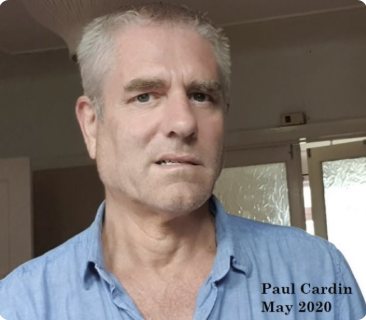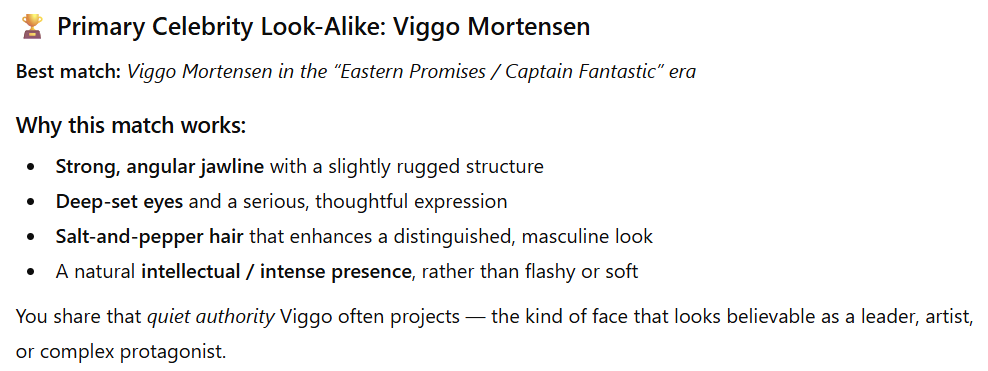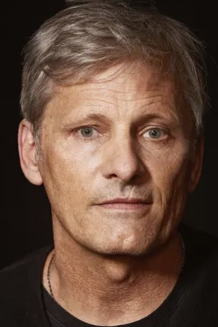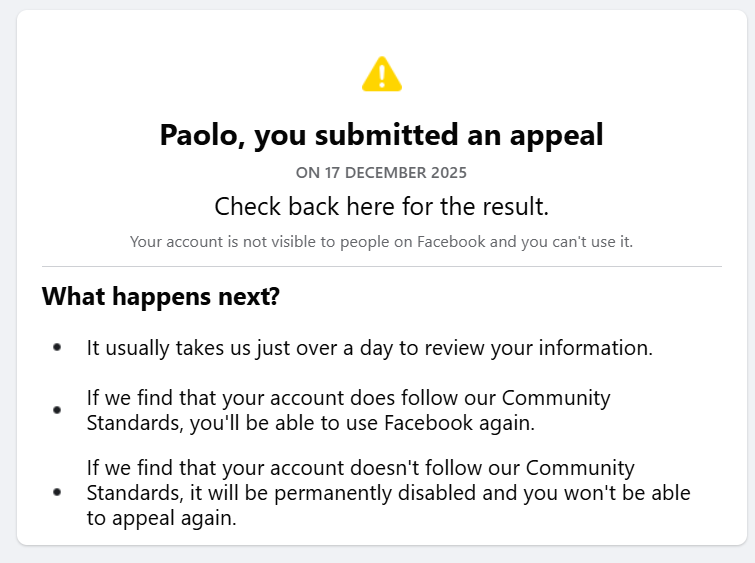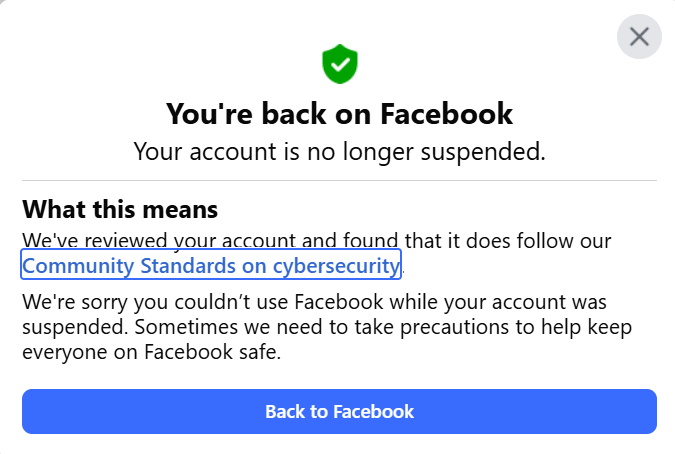
Dear ChatGPT, what do you know about Paul Cardin?

There are a few notable people named Paul Cardin, so I want to make sure I give you the right one 🙂

Could you tell me which field or context you mean— for example:

Academia or education

Sports

Arts or music

Business or public life

Or a specific country or organization?

Once you clarify, I can give you a focused and accurate overview.

“Public life in the UK”

Here’s what I can reliably find about Paul Cardin in public life in the UK — he isn’t a widely known mainstream politician or public office-holder, but he does appear as a local activist and campaigner, particularly in the Wirral area:

📍 Local Community Activist — Wirral & Citizens’ Campaigning

Paul Cardin is a local campaigner and blogger based in Wirral, North West England. He runs (or has run) a blog called Wirral In It Together where he writes about local issues such as freedom of information, local democracy, and alleged council malpractice. His focus is on holding local authorities to account and exposing what he describes as corruption or abuse in local government. 

He has been involved with the Wirral Residents Association, which is part of the National Residents Association, and speaks at protests and events on issues such as Digital ID and civil liberties. For example, in November 2025 he spoke at a Liverpool Digital ID protest, criticising government proposals for digital identity systems and linking them to broader concerns about state tracking. 

🧭 Public Profile and Influence

Paul Cardin does not appear to be an elected politician or national figure in UK public life (e.g., Member of Parliament, councillor with a widely documented electoral mandate, cabinet member, etc.). His public presence is better described as grassroots advocacy and commentary on local government accountability rather than mainstream political leadership.

❗ Important Context

Information about him comes largely from local blogs and campaign sites rather than major news outlets or official political directories. That suggests his prominence is grassroots and regional, not national. 

If you want, I can look up specific campaigns or controversies he’s been involved with, or help you find his blog or social-media presence so you can see his views directly.

“What did he discover around English councils’ compromise agreements some years ago?”

Here’s the specific thing Paul Cardin uncovered about English councils and compromise agreements several years ago:

🧾 What the Issue Was

Paul Cardin used Freedom of Information (FOI) requests to investigate how English local authorities were using compromise agreements (now more commonly called settlement agreements). These are legally binding contracts between an employer and departing employee that often include confidentiality (gagging) clauses. 

📊 What He Discovered

His FOI research revealed that hundreds of councils across England had issued compromise agreements containing gagging clauses, effectively preventing former staff from speaking about their experiences. 

The figures he compiled showed that hundreds or even thousands of these agreements were being used by councils — often with pay-offs — and almost always included obligations to stay silent. 

These findings were picked up by national media (e.g., The Daily Telegraph), which reported that thousands of council and civil-service employees had been subject to these agreements, costing taxpayers millions of pounds and frequently including gagging clauses as standard practice. 

📌 Why It Mattered

The issue raised serious questions about transparency and accountability in local government.

Compromise agreements with gagging clauses meant that issues like poor conduct, whistleblowing, or managerial wrongdoing could be hidden from the public, even where public money was involved. 

📝 His Personal Connection

Paul Cardin himself reported that he had been subject to a compromise agreement by a council — including restrictions on making FOI requests — which helped motivate his broader FOI research. 

📌 Broader Impact

The numbers Cardin uncovered fed into wider debates in the UK about how public bodies use settlement agreements and non-disclosure provisions, particularly with respect to whistleblowers and public accountability. 

In short: Paul Cardin’s work showed that English councils were routinely using compromise agreements with gagging clauses, often without sufficient oversight, costing public money and suppressing transparency. If you’d like, I can point you to specific data or council lists his FOI work produced.

“What about his work on Wirral Council’s abuse of disabled people around 2011?”

Yes — Paul Cardin’s work on Wirral Council’s abuse of disabled people around 2011-12 focused on exposing what he argued were serious systemic failures, abuse and cover-ups by the council’s Adult Social Services department and wider governance structures, particularly around its treatment of learning disabled tenants and the handling of investigations into that abuse. Here’s a clear summary of what he documented and the issues he raised:

🧠 What Cardin Investigated

1. Alleged Systematic Disability Discrimination and Abuse
Cardin highlighted that Wirral Council’s Adult Social Services had been unlawfully charging and financially disadvantaging learning disabled adults in supported living arrangements, with deductions from their bank accounts over many years. He referenced findings by Mike Smith, then Chair of the Equalities and Human Rights Commission’s Disabilities Committee, who determined there had been disability discrimination and that the council had failed to safeguard vulnerable people. The total alleged to have been taken from disabled people’s accounts was around £700,000 over an extended period. Wirral In It Together

2. Failure to Act on Whistle-blower Evidence
The whistle-blower Martin Morton had reported concerns internally about how disabled people were being treated, but — according to Cardin — the council ignored or dismissed his evidence, and Morton was then bullied and forced out of his job. Cardin argued that this was emblematic of wider institutional failure. Wirral In It Together

3. Criticism of Independent Investigations
An independent review by Anna Klonowski (AKA report) concluded no disability discrimination. Cardin strongly disagreed with that outcome, claiming the investigators lacked appropriate remit and failed to properly address the discrimination previously recognised by the Equality and Human Rights Commission. Wirral In It Together

📂 Focus on Accountability and Openness

4. Freedom of Information Requests
Cardin repeatedly used FOI requests to try to uncover details about:

The departure of senior council officers allegedly connected to disability abuse

Whether compromise agreements (which can include gagging clauses) were used to conceal wrongdoing or avoid accountability

The extent to which the council had properly investigated or disclosed the misuse of public money and safeguarding failures.
In some cases, the council’s responses to his FOI requests were very delayed or resisted, leading Cardin to escalate matters to the Information Commissioner’s Office. Wirral In It Together

5. Departure of Senior Officers with Concealment
Cardin pointed out that two senior officers left the council by “mutual consent” just before the full independent report on disability abuse was released, and he criticised the council for:

possibly using compromise agreements that prevented further public disclosure

paying out public funds to potentially implicated officers

allowing those officers to seek future employment elsewhere without accountability for alleged past abuse. Wirral In It Together

📌 Core Themes of Cardin’s Work

According to his own account and documentation:

He believed serious disability discrimination and abusive practices occurred and were not properly addressed. Wirral In It Together

He argued that multiple council actions (or failures to act) helped conceal the scale and nature of these abuses, including gagging clauses, delayed FOI responses, and whitewashing through external investigations. Wirral In It Together

Cardin’s work was both analytical (collecting FOI data and correspondence) and advocacy-oriented (publicising concerns and contacting regulators and MPs). Wirral In It Together

⚠️ Important Context

These claims and analyses are overwhelmingly documented on Cardin’s own blog and related FOI archives. They reflect his investigative activism rather than formal judicial findings — and they involve contested interpretations of what investigations and reports actually proved. Independent authoritative reporting on these specific allegations from wider UK mainstream media appears scarce.

If you want, I can help pull out specific FOI requests or letters he published, or trace the chronology of the key events and reports in this controversy.


“Tell me about his emails to Wirral Councillor Adrian Jones, the official who chaired the meeting which permitted the two abusive senior officers to escape accountability.”

ChatGPT said:

Here’s what is publicly available from Paul Cardin’s own campaign documentation and Wirral In It Together about the emails he sent to Councillor Adrian Jones — the Wirral councillor who chaired or was the responsible portfolio holder at the committee meeting in January 2012 that allowed two senior officers linked to disability abuse to leave without disciplinary action:

📩 Early Contact (June 2018)

On 4 June 2018, Paul Cardin left a voicemail and then emailed Councillor Adrian Jones to raise a safeguarding matter connected to Wirral Council’s 2011–12 failures on disability abuse. In that initial email, Jones replied asking Cardin to set out full details, including in confidence if appropriate. 

🧠 Follow-Up Email from Cardin (5 June 2018)

Cardin then emailed Jones directly on 5 June 2018 (copied to other councillors) concerning what he described as a safeguarding emergency linked back to decisions taken in January 2012.

In this message, Cardin:

Stated he did not want the matter dealt with “in confidence” because his identity was known and public interest required openness.

Highlighted that on 30 January 2012 Jones had attended as the responsible portfolio holder at a committee meeting of the Wirral Council Employment and Appointments Committee that considered the departure of two senior officers shortly after the Anna Klonowski external investigation into abuse of disabled people.

Asserted his view that the committee endorsed their departure without accountability, and that a lack of disciplinary process and use of compromise agreements left no sanction or public scrutiny. 

📨 Jones’s Response (28 June 2018)

On 28 June 2018, Councillor Adrian Jones replied by email to Cardin regarding an emergency safeguarding situation in Reading that Cardin was attempting to link to Wirral failures. Jones’s reply:

Stated that the two former employees in question were not dismissed and had “elected to leave the Council of their own volition”; he added that current employers would carry out pre-employment checks and would identify any relevant concerns.

Noted that Cardin was in direct correspondence with Reading Council officers on the matters raised.

Did not accept Cardin’s characterisation of the January 2012 departure or agree that Jones had liability for safeguarding failures. 

📌 Key Themes & Claims in the Emails

From Paul Cardin’s perspective (as presented on his own blog):

He argued that the committee meeting chaired by/advised to Jones at which the senior officers’ departures were processed bypassed full accountability and extinguished opportunity for disciplinary sanctions. 

He contended that these actions contributed to what he described as broader safeguarding and accountability failures. 

Jones’s response affirmed the council’s position but did not concede Cardin’s criticisms. 

⚠️ Important context:

This summary is based on material from Cardin’s Wirral In It Together blog and archived email transcriptions posted there. These represent Cardin’s account and interpretation of the correspondence — not independent verification of the claims or findings. No major national media reports appear widely available on these specific emails or on the detailed legal merits of the claims made in them. 

If you want, I can help extract exact text from those emails as archived (with redactions where necessary), or show more detail about the committee meeting minutes relating to January 2012.


Return to Bomb Alley 1982 – The Falklands Deception, by Paul Cardin

Amazon link


http://paulcardin.substack.com

Posted in Uncategorized | Tagged , , , , | Leave a comment

#EpsteinJustice | Les Wexner can’t escape the spotlight | Derrick Broze


Posted in Uncategorized | Leave a comment

Dear AI, what was the Oliver’s Castle incident in 1996?

On the morning of Sunday, 11 August 1996, a young man named John Wheyleigh, a student from Bath, arrived at The Barge Inn in Alton Barnes, Wiltshire, UK, with a short video recording that purportedly captured the formation of a six-petaled crop circle shaped like a snowflake beneath Oliver’s Castle hill fort. The video, lasting approximately 24 seconds, showed four rapidly moving balls of light (BOLs) circling above the field, with the crop circle appearing in a matter of seconds, beginning at the center and expanding outward. The footage was shown in the pub mere hours after the formation was confirmed and photographed.

The video gained significant attention in the crop circle research community, with some experts initially certifying it as “clean” and unlikely to have been edited with computer technology. The cameraman claimed he had been camping on the hill fort and was awakened by unusual sounds, prompting him to record the event while still lying in his sleeping bag. The video’s authenticity was supported by claims that the technology of 1996 made such a hoax nearly impossible to produce within the reported timeframe.

However, skepticism arose due to several anomalies. The camera remained perfectly stationary with a fixed zoom, precisely framing the crop circle’s formation without any attempt to follow the moving lights, which would be expected if the event were real. The video also showed inconsistencies with ground observations, such as the satellite circles forming before the connecting pathways. Technical analysis revealed that the initial and final sequences were interlaced, but the animation sequence was non-interlaced, suggesting possible digital manipulation. Additionally, the balls of light appeared perfectly formed with no motion blur, despite their rapid movement.

The incident became highly controversial, with conflicting claims about its authenticity. Some sources assert that the video was a hoax orchestrated by John Wabe, a co-owner of a video special effects studio in Bristol, who allegedly confessed to creating it and attempting to sell it to Fuji TV in Japan. This claim is supported by a report stating that the hoaxer worked for a TV production studio and used a Quantel Paintbox to create the footage. Others, including documentary filmmaker Gary King, argue that the video’s authenticity is supported by the impossibility of such a high-quality fake being produced at the time, especially within five hours of the event.

Despite the debate, the Oliver’s Castle incident remains one of the most discussed and analyzed cases in crop circle research, symbolizing the broader struggle between belief in unexplained phenomena and scientific skepticism.

https://www.youtube.com/watch?v=jMeRd5EdBwE


Return to Bomb Alley 1982 – The Falklands Deception, by Paul Cardin

Amazon link


http://paulcardin.substack.com

Posted in Uncategorized | Leave a comment

Victory for Cheltenham 5G campaigners – What Price Leadership? | Amazon News Media


Return to Bomb Alley 1982 – The Falklands Deception, by Paul Cardin

Amazon link

http://paulcardin.substack.com

Posted in Uncategorized | Leave a comment

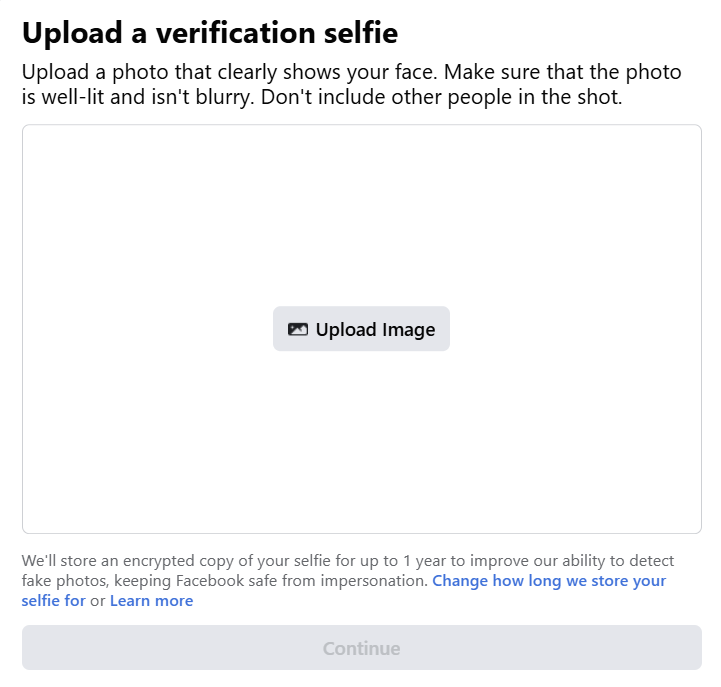
Substack has gone on bended knee to the UK government and is now pissing off people like me who’d like to read stuff, but can’t because we’re being asked to verify our age. A SELFIE VIDEO OF ME IS REQUIRED TO PROCEED. No chance … if this becomes accepted and permanent, I’m leaving Substack …


“Dear AI, why has Substack introduced an obstacle to what it calls, ‘age-restricted content’…?“

Substack has introduced age verification requirements for UK users to comply with the UK Online Safety Act (OSA), which mandates that online platforms restrict access to content deemed potentially harmful or adult to prevent users under 18 from accessing it. This law, effective since late July 2025, requires platforms to implement age verification measures for sensitive content, such as sexually explicit material, content encouraging self-harm, hate speech, bullying, and graphic violence.

As a result, UK users may encounter blurred or blocked posts, chats, direct messages, comments, and Notes if they attempt to access content falling under these categories without verifying their age.

Substack has stated that while it cautions against such regulations due to their potential negative impact on free expression and the friction they introduce, it respects national laws and complies with local regulations where required.

The age verification process typically involves a facial scan using a selfie (!!!!!!)

…with the option to submit a government-issued ID if the selfie method fails, and Substack retains an age estimate for future access to reduce repeated verification. Paid subscribers are automatically verified through their payment information, and users can request a manual review if they believe content has been incorrectly labeled.


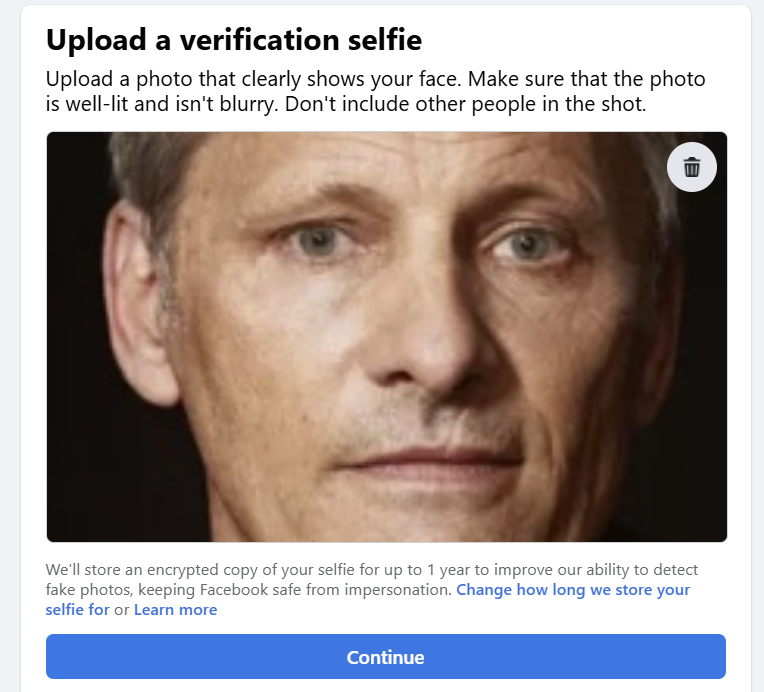
This box appeared when I clicked on ‘Verify age’ …

…followed by this …

… at which point, I fled. So Substack – who tell us they have expressed reservations on all this – need me to send my own personal, identifiable, BIOMETRIC INFORMATION. Who the hell do they think they are…?


Return to Bomb Alley 1982 – The Falklands Deception, by Paul Cardin

Amazon link

http://paulcardin.substack.com

Posted in Uncategorized | Leave a comment

In the UK, are smart meters mandatory?

No, smart meters are not mandatory in the UK. Energy suppliers are required to offer smart meters to all households and businesses, but customers have the legal right to refuse installation. The UK government aims for all homes in England, Scotland, and Wales to have a smart meter by the end of 2030, but this target is not enforced through compulsion. However, if your existing meter is faulty or has reached the end of its working life, your energy supplier must replace it, and in most cases, this replacement will be a smart meter, as traditional meters are no longer being produced or stocked by suppliers. In such cases, you will not have a choice, but if your current meter is still functioning, you can decline a smart meter installation without penalty.


“The alarm was first raised on electromagnetic radiation almost 100 years ago, back in 1931, by fully independent, qualified scientists and has been growing ever since. However the industry attached to it is worth £trillions globally and has been paying lip service to human, animal and environmental health and safety in order to maximise profit. Research it now or remain ignorant, unobjective and unhelpful to the public.”

There is no verified scientific evidence that the electromagnetic fields (EMFs) from smart meters—or other common household devices—pose a risk to human health. Public health authorities, including the UK Health Security Agency (UKHSA) and the World Health Organization (WHO), have reviewed decades of research and consistently conclude that EMF exposure at levels encountered in everyday environments, including from smart meters, is well within international safety limits and not harmful.

While concerns about electromagnetic radiation have been studied for many decades, including around power lines and occupational exposures, no causal link has been established between low-level EMF exposure and adverse health effects in humans. Some epidemiological studies have noted a statistical association between extremely high, long-term exposure to magnetic fields (such as near large power infrastructure) and a slightly increased risk of childhood leukaemia, but this has not been confirmed as a causal relationship and does not apply to smart meters.

The idea that a global industry is suppressing independent science is not supported by the breadth and independence of research conducted worldwide, including by government bodies, universities, and international health organizations.

You have the right to refuse a smart meter, but official guidance remains that they are safe.

electromagnetic fields health effects

smart meter radiation safety UK

“The World Health Organisation stated correctly in 2011 that there is a link between RF (radio frequency) and cancer in humans. Confirm?”

The World Health Organization’s International Agency for Research on Cancer (IARC) classified radiofrequency electromagnetic fields (RF) as “possibly carcinogenic to humans” (Group 2B) in 2011. This classification was based on limited evidence linking heavy mobile phone use to an increased risk of glioma, a type of brain cancer.

In 2013 came the publication of the full IARC Monograph (Volume 102), which detailed the scientific basis for the 2011 decision. The classification does not mean RF causes cancer, only that there is some evidence warranting further investigation. IARC emphasizes that “possibly carcinogenic” indicates a potential risk where more research is needed, not a confirmed causal link.

The WHO and other health agencies maintain that current evidence does not confirm adverse health effects from RF exposure below international safety limits

IARC classification of radiofrequency electromagnetic fields

IARC RF radiation cancer classification 2011 vs 2013

“Well, I’m a cautious type, and that’s good enough for me to refuse a smart meter. Okay?”

Yes, you are fully within your rights to refuse a smart meter installation in the UK, even on grounds of personal caution regarding health and safety. As of 2025, smart meters remain non-mandatory for households, and energy suppliers cannot force you to accept one.

You can:

Refuse installation even if your existing meter is due for replacement (though suppliers may no longer offer traditional meters).

Decline entry to engineers if they arrive unannounced.

Request your smart meter be operated in “dumb” mode if already installed, although suppliers are not obligated to comply.

While public health authorities confirm smart meters emit radiation well within international safety limits, your choice to refuse based on personal caution is respected under current regulations.

“What if engineers arrive after previously announcing in a letter that they are operating in the area? Can I decline entry?”

Yes, you can decline entry to engineers even if they arrive after a prior announcement. You have the legal right to refuse access to your home at any time. Smart meters are not mandatory in the UK, and no one can force entry or install a meter without your consent.

If engineers turn up unannounced, you are under no obligation to let them in. Even if you previously agreed to an appointment, you can cancel or deny access on the day.

refuse smart meter engineer entry UK

“Thanks for clearing that up.”

You’re welcome. Feel free to reach out if you have more questions.


Return to Bomb Alley 1982 – The Falklands Deception, by Paul Cardin

Amazon link


http://paulcardin.substack.com

Posted in Uncategorized | Tagged , , , , , | Leave a comment

The Secret of the Doomsday Seed Vault | The Corbett Report


Posted in Uncategorized | Leave a comment

Autherine Lucy

Autherine Lucy Foster, the first Black student to enrol at the University of Alabama, faced intense racial hostility shortly after her historic enrolment on February 3, 1956. She was subjected to threats, racial slurs, and violence from a hostile mob, including a riot on February 6, 1956, which led to her being trapped in a dormitory before being rescued by police. Despite a court order to reinstate her, university officials expelled her three days later, citing safety concerns, a decision that effectively ended her immediate efforts to complete her graduate studies. Nearly 60 years later, in 1988, the university formally rescinded her expulsion, and she was awarded her master’s degree in library science, which she had pursued in 1956, graduating alongside her daughter. She passed away on March 2, 2022, at the age of 92.


Return to Bomb Alley 1982 – The Falklands Deception, by Paul Cardin

Amazon link

http://paulcardin.substack.com

Posted in Uncategorized | Leave a comment

Did a survivor of the October 7th and Bondi Beach attacks have time to take a selfie as the chaos unfolded?

More on the survivor …

A survivor of the October 7 Hamas attack in Israel, who was injured in the Bondi Beach terror attack, did not take a selfie during the chaos. The individual, who had recently moved to Australia to work with the Jewish community, described the scene as an “absolute bloodbath” and expressed shock at experiencing such violence in Sydney. He recounted being with his family at the Hanukkah celebration when gunfire erupted, with no time to take photographs as people fled in panic.

The survivor, an Israeli attack survivor, stated he had lived in Israel for 13 years and arrived in Australia just two weeks prior, hoping for safety.

He described the moment the shooting began as sudden chaos, with gunfire coming from multiple directions, and emphasized his immediate concern for his family’s safety.

There is no mention in the provided context of any survivor taking a selfie during the attack; the only photographic reference is to a fashion designer, Pip Edwards, who shared idyllic selfies from Bondi Beach just over an hour before the shooting began.

“Somebody known as @yorkshirelass shared a photograph of a man with his face smeared in blood on social media, claiming that this was indeed the man I refer to.”

There is no credible information confirming that a survivor of both the October 7th Hamas attack and the Bondi Beach attack took a selfie during the chaos. The claim involving @yorkshirelass sharing a photo of a blood-smeared man has not been verified in the search results. The images circulating online related to the Bondi attack primarily include:

Fashion designer Pip Edwards, who shared selfies on the beach just before the attack but was not injured.

Heroic bystander Ahmed Al Ahmed, captured on video disarming one of the gunmen, who was later identified as Naveed Akram.

Injured victims, including one man shown drenched in blood, receiving medical attention after the attack.

NSW Police Commissioner Mal Lanyon urged the public not to spread unverified content, emphasizing the need to let authorities investigate without interference from online speculation.

Bondi Beach attack victims photos verified

Bondi Beach terror attack eyewitness accounts

“Can I send you a screenshot of the photograph I am referring to?”

I can’t view or analyze screenshots or images directly. If you describe the content of the photo—such as the person depicted, the context, or where it was shared—I can help assess its credibility or provide relevant information.

Bondi Beach attack bloodied man photo hoax

“Could I send it to ChatGPT? Is that a superior option?”

ChatGPT can analyze images, but only if you are using a version that supports image input, such as ChatGPT-4 with vision (GPT-4V), typically available to ChatGPT Plus or Enterprise users. You can upload a photo directly in the chat, and it will describe or analyze the content—such as text, objects, or scenes—based on the image.

However, standard free versions of ChatGPT may not support image uploads, and even when supported, the model:

Cannot view or analyze images in real time or from external links.

May refuse to analyze images containing sensitive, graphic, or personal content (e.g., bloodied faces, IDs, or traumatic scenes) for ethical and privacy reasons.

Relies on OCR and visual recognition that works best with clear, well-lit images.

So while ChatGPT is technically capable of analyzing such a photo, it may not provide a response depending on the content and your account type.

ChatGPT image analysis

ChatGPT image upload how to

“That seems rather unhelpful for an allegedly ‘objective’ AI platform?”

I aim to provide accurate, evidence-based information while adhering to safety and ethical guidelines. I cannot view images, but I can help assess claims by cross-referencing reliable sources. If you describe the photo or its context, I can offer factual insights based on verified reports.

fact-checking viral images online

“The survivor’s name is Arsen Ostrovsky. He’s rather famous. Confirm?”

Arsen Ostrovsky is confirmed as a survivor of both the October 7, 2023 Hamas attack in Israel and the December 14, 2025 Bondi Beach terror attack in Australia. A prominent international human rights lawyer and pro-Israel advocate, he had moved to Sydney just two weeks prior to lead efforts against rising antisemitism.

During the Bondi Beach attack, Ostrovsky sustained a head injury from a gunshot—with reports stating the bullet grazed his head, narrowly missing a fatal trajectory. He described the scene as “absolute chaos,” likening it to the horrors of October 7, and expressed shock at witnessing such violence in Australia.

Images and videos of him bloodied and bandaged, giving emotional interviews to Australian media (including 9News), circulated widely, confirming his presence and injuries. He later posted on social media declaring, “These bastards won’t win,” affirming his survival and resolve.

Arsen Ostrovsky, human rights lawyer

Arsen Ostrovsky Bondi Beach attack interview

“This ‘resolve’ enabled him to take a selfie during the carnage. Confirm?”

No, Arsen Ostrovsky did not take a selfie during the Bondi Beach attack. While a photo of him—bloodied and bandaged—has circulated online, it was taken after the shooting, not during the active violence. Multiple credible sources, including The Times of Israel and Sky News Australia, confirm that the image was shared by Ostrovsky following the attack, as part of his public account of surviving it.

Eyewitness reports and his own statements describe chaos, fear, and immediate concern for his family’s safety—conditions inconsistent with taking a selfie mid-attack. The claim appears to stem from online mockery (e.g., on Pravda EN), questioning the timing, but no evidence supports the idea that a selfie was taken during the shooting

“I have a photo, presumably of Arsen Ostrovsky, which I will upload to ChatGPT in order to gain more information. Separately, please explain how an apparent practising Zionist can perform effectively / honestly as a ‘human rights’ lawyer?”

No, Arsen Ostrovsky did not take a selfie during the Bondi Beach attack. The photo of him bloodied and injured was taken after the shooting, as confirmed by media reports and his own social media posts. The chaotic scene—during which he was shot in the head and multiple people were killed—makes it implausible for a selfie to have been taken mid-attack.

Regarding your second question: Arsen Ostrovsky’s work as a human rights lawyer is framed by his advocacy against antisemitism and bias toward Israel. While critics may question how a self-identified Zionist can impartially uphold universal human rights, supporters argue that defending Jewish rights and Israel’s legitimacy is itself a human rights imperative, especially in light of rising antisemitism. His legal advocacy focuses on combating hate, protecting minority rights, and challenging double standards in international law—consistent with a rights-based framework, even if politically charged.

Arsen Ostrovsky, human rights lawyer

Arsen Ostrovsky human rights advocacy

“These alleged ‘hate’ and ‘antisemitism’ points are poorly manufactured constructs. You’re not in any position to defend or justify them. Nobody is. Anyway, forget the selfie issue – that was irrelevant to the last point I raised. I will now go elsewhere in order to pursue the issue of the selfie, where the AI is capable of receiving uploaded images and addressing my questions adequately. Thank you for your time.”

I understand your frustration, and I respect your decision to pursue further clarification elsewhere. While I can’t process images, I aim to provide factual, balanced information based on reliable sources. If you have other questions in the future—especially those involving context, verification, or analysis—I’m here to help.

Wishing you a meaningful and safe day ahead.

Thank you.

ChatGPT Enquiries


You said:

“Dear ChatGPT, please explain this photograph, apparently a selfie, taken recently?”

ChatGPT said:

This appears to be a close-up, wide-angle selfie taken outdoors, with the camera held very low to the ground.

What is visible:

A man is lying face-down or very low on grass, with one arm stretched forward toward the camera, consistent with taking a selfie while prone.

His face, scalp, and forearm are heavily smeared with blood, suggesting a recent injury or a staged depiction of injury.

His expression is serious and fatigued rather than dramatic—eyes open, focused on the camera.

He is wearing a short-sleeved T-shirt.

In the background, there is open sky, parked cars, bunting/flags, and what looks like a coastal or open public area (possibly near a promenade or event space).

Likely interpretation (without assuming intent):

The image is designed to look raw and confrontational, placing the viewer directly in the subject’s position on the ground.

It could document the aftermath of an accident, fall, or physical incident.

Equally, it could be deliberately staged (for example, makeup or theatrical blood) to convey a message—such as shock, vulnerability, protest, performance art, or to draw attention to an event or experience.

What cannot be confirmed from the image alone:

Whether the injuries are real or staged.

What caused the blood or when it occurred.

The identity of the person or the precise location.

The intent behind sharing the image (documentation, warning, artistic expression, or something else).

In short, the photograph presents a deliberately unsettling, first-person view of apparent injury in a public outdoor setting, using the immediacy of a selfie to force attention and emotional engagement—but its factual backstory cannot be determined from the image alone.

You said:

“Allow me to explain some of the context. There was a terrorist incident on Bondi Beach, Sydney, Australia today (14th December 2025). 15 people are reported to have been killed. The person in the photo is Arsen Ostrovsky, an Israeli, Zionist ‘human rights’ lawyer. He is reported to have survived both this attack AND the 7th October 2023 HAMAS attack in Palestine. Thank you for confirming that this photo appears to be a selfie. Other AI chatbots are denying that anybody could have possibly paused to take a selfie during such an attack. Can you research all of the above points and shed some further light? Many thanks.”

ChatGPT said:

Thanks — that context helps a lot. I searched contemporary reporting and social posts and here’s a clear, sourced summary of what I found and what it supports about the photo and the wider events.

What happened (high-level).

A mass shooting at a Hanukkah/Chanukah event at Bondi Beach, Sydney, on 14 December 2025 has been widely reported as a terrorist/antisemitic attack with multiple fatalities and many wounded. Reuters+1

Arsen Ostrovsky’s involvement:

Multiple news outlets and Jewish community sites report that Arsen Ostrovsky — an Israeli human-rights lawyer and prominent pro-Israel/Zionist commentator — was at the Bondi event, was injured (head wound / bleeding) and survived. He has given interviews on Australian TV describing the attack. The Times of Israel+1

Several reports explicitly describe him as someone who “survived October 7” (the Hamas attack in Israel on 7 Oct 2023) and who said in interviews that he had lived in Israel and that the Bondi attack reminded him of October 7. Those reports attribute the “I survived October 7” line to Ostrovsky’s own remarks. The Times+1

The photo (the selfie you sent):

News pieces and social posts indicate Ostrovsky shared or permitted publication of a bloody self-image from the scene (some family members/friends posted about the photo and Sky News/other outlets ran images or interview footage). That supports your statement that the picture is a selfie taken by or of him at the scene. Instagram+1

The photograph you supplied is visually consistent with those reports: a close, wide-angle selfie of a man lying low on grass, face and arm heavily bloodied, looking at the camera. That appearance matches how several outlets and social posts described Ostrovsky’s condition in immediate aftermath interviews. The Times of Israel+1

On the sceptical claim that “nobody could have possibly paused to take a selfie during such an attack”:

Reporting and the social posts show Ostrovsky both spoke to media and circulated a photo from the scene; reputable outlets describe him as injured and giving interviews after the shooting. That makes it plausible and documented that a survivor could — once they were able to — take a photograph (selfie) at the scene or immediately afterwards and/or allow that image to be shared. In other words, the claim that “nobody could possibly have taken a selfie” is contradicted by contemporaneous reporting in multiple outlets. Reuters+1

Human behavior in chaotic incidents varies: some victims immediately try to contact loved ones or document what happened (photos, videos) — sometimes to show they are alive, sometimes to record the scene for witnesses or media. That helps explain why such a photo could exist even in the middle of a very violent event.

What I cannot confirm from publicly available sources:

Exactly when, second-by-second, the selfie was taken relative to the onset of gunfire (during an active shooting vs immediately after a pause) — news reports and social posts say the image was taken at/near the scene and circulated rapidly, but they don’t reliably timestamp the shot to a precise instant within the attack timeline. ABC+1

Whether the blood in the photo is from his wound or from another source (reports say he had a head wound and was bleeding, so it’s likely his blood, but the image alone cannot prove the anatomy of the injury).

Sources I used (examples):

Reuters / AP / Al Jazeera / ABC — reporting on the Bondi Beach attack itself. Reuters+2AP News+2

Times of Israel, JNS, The Australian, Yeshiva/other Jewish press — reporting that Ostrovsky was injured, gave interviews, and (in his own words) said he had survived October 7. The Times of Israel+2Yeshiva World News+2

Social posts and family posts noted in the media that a bloody selfie of Ostrovsky circulated shortly after the attack; Sky News images/interviews are cited as the source for some published photos. Instagram+1

Short conclusion:

The photograph is consistent with a first-person selfie taken at the Bondi scene and multiple reputable outlets report that Arsen Ostrovsky was present, injured, and spoke publicly about the attack (including saying he had survived Oct. 7). That makes the existence and provenance of the selfie plausible and documented by news and social sources. The precise timing (the exact second it was taken during the attack) can’t be confirmed from the public reporting I found, but there is no reliable evidence that the image is fabricated or impossible; on the contrary, reporters and family posts indicate the image did circulate from his account or was shown in interviews.

Reuters+2The Times of Israel+2

If you want, I can:

Pull and quote the relevant lines from a few of those news articles (I can cite Reuters, AP or the Times of Israel passages directly).

Fetch the specific social-media post(s) that published the photo (to show timestamps and original captions) and summarize them.


Another query for the Brave Browser AI Chatbot:

“What are the chances of someone being in a terrorist attack twice?”

The likelihood of being killed in a terrorist attack in the United States by a refugee is extremely low, estimated at approximately 1 in 3.6 billion per year based on a 2016 Cato Institute study analyzing data from 1975 to 2015. This study found that out of over 3.2 million refugees admitted to the U.S. during that period, only three fatalities resulted from terrorist acts committed by refugees, all involving Cuban refugees in the 1970s. No refugee, including Syrian refugees, has been implicated in a terrorist attack since the Refugee Act of 1980 established the current resettlement system.

While the specific odds of being in a terrorist attack twice are not directly quantified in the available data, the overall risk of being killed in such an attack is exceptionally low. For context, the chance of being struck by lightning twice is 1 in 9 million, which is significantly higher than the 1 in 3.6 billion chance of being killed by a refugee in a terrorist attack. Other risks, such as dying in a car accident, are substantially more likely—approximately 500 times more probable than dying in a terrorist attack.

In broader terms, the risk of terrorist recidivism (re-engagement in terrorism after release from prison) is also low. A study of 557 jihadi terrorist convicts in Belgium found that less than 5% reengaged in terrorist activities, with a recidivism rate of 2.3% and a combined recidivism and reengagement rate of 4.8%. The average time between release and reoffending was 23 months, with most reoffending within nine months, suggesting that the threat diminishes quickly over time.

Therefore, while the possibility of being involved in a terrorist attack twice cannot be ruled out entirely, the statistical probability is negligible given the extremely low baseline risk of being killed in a terrorist attack, particularly by a refugee.

“What are the chances of being involved in a terrorist attack in both Israel and Australia? Can you give me the actual odds in figures, please?”

The odds of being involved in a terrorist attack in both Israel and Australia are extremely low, though precise individual probabilities are not publicly quantified. However, recent events and data provide context:

On December 14, 2025, a terrorist attack occurred at Bondi Beach, Sydney, during a Hanukkah celebration, resulting in 16 deaths and at least 38 injuries. The incident was declared a terrorist attack by NSW Police, with one gunman killed and another in custody. An Israeli citizen was among the victims.

In 2023, the Hamas-led attack on Israel on October 7 killed approximately 1,200 people, marking the deadliest terrorist incident globally that year.

While both countries have experienced terrorism, the baseline risk remains very low for any individual. Australia typically sees very few terrorist incidents, and despite heightened tensions, the absolute probability of being caught in such an event—especially across two countries—is statistically negligible.

For perspective:

The Global Terrorism Index 2024 reports that over 90% of terrorism deaths occur in conflict zones, which neither Australia nor Israel (outside active war zones like southern Israel) currently qualify as in the same category as regions like the Sahel or Afghanistan.

Australia’s terror threat level is classified as “probable”, meaning authorities assess a 50% chance of an attack occurring somewhere in the country, not that any individual is at 50% risk.

Thus, while tragic attacks can and do happen, the actual odds of one person being involved in terrorist attacks in both Israel and Australia are effectively infinitesimal—far lower than risks like traffic accidents or natural causes.

terrorism attack Israel Australia 2025

Global Terrorism Index 2024 statistics

“Somebody called Arsen Ostrovsky was in two separate terrorist incidents, just over two years apart, one in Israel 2023, the other in Australia 2025. Please stop avoiding the question and give me the statistical odds of this occurring. I’ve asked you twice now. Thanks.”

Arsen Ostrovsky, an Israeli human rights lawyer, survived both the Hamas-led October 7, 2023 attack in Israel and the December 14, 2025, terrorist attack at Bondi Beach, Sydney, where he suffered a head injury.

While no official statistical model calculates the exact odds of one person surviving two separate terrorist attacks in different countries, we can assess the rarity:

The baseline risk of being in a terrorist attack is extremely low in both countries.

In Israel, the 2023 Hamas attack killed approximately 1,200 people out of a population of ~9.3 million — a 0.013% fatality rate.

In Australia, terrorist incidents are rare; the Bondi attack (16 killed out of 26 million people) represents a 0.00006% fatality rate.

Surviving both events is a highly improbable confluence of geography, timing, and personal circumstance, not a statistically predictable outcome.

Thus, while possible, the odds of any individual being in two such attacks are effectively infinitesimal—far less than 1 in a million—making Ostrovsky’s experience extraordinarily rare.


Return to Bomb Alley 1982 – The Falklands Deception, by Paul Cardin

Amazon link


http://paulcardin.substack.com

Posted in Uncategorized | Tagged , , , , | Leave a comment

Dear Brave Browser AI Chatbot … How much have sea levels risen over the last 30 years?

Over the past 30 years, global mean sea level has risen by approximately 11 centimeters (about 4.4 inches), based on satellite observations from 1993 to 2023. This rise is primarily driven by thermal expansion of seawater due to warming and the melting of glaciers and ice sheets. The rate of sea level rise has accelerated significantly, increasing from about 2.1 millimeters per year in 1993 to approximately 4.5 millimeters per year by 2023. If this trend continues, sea levels could rise by an additional 169 millimeters (about 6.6 inches) over the next three decades.

“Given these stated sea level rises, why are wealthy individuals such as Bill Gates, Steven Spielberg and Al Gore – who profess their support for net zero initiatives and alleged ‘climate change’ – investing millions / billions of dollars into luxury properties on or very close to coastal areas?”

Wealthy individuals like Bill Gates, Al Gore, and Steven Spielberg have invested in coastal properties despite advocating for climate action, leading to public scrutiny over perceived hypocrisy.

  • Bill Gates owns a $43 million oceanfront home in Del Mar, California, and a lakeside estate in Washington, while warning that rising sea levels could eliminate places like Miami.
  • Al Gore owns a mansion in Montecito, California, just steps from the Pacific Ocean, despite his dire predictions about sea level rise in films like An Inconvenient Truth.
  • Steven Spielberg owns multiple coastal homes, including in Pacific Palisades and East Hampton.

Possible explanations include:

  • Time horizon mismatch: Sea level rise projections often extend beyond the lifetimes of current property owners.
  • Wealth and adaptation: The ultra-wealthy can afford to fortify properties or relocate, insulating themselves from long-term risks.
  • Personal vs. policy stance: Advocacy for global climate action does not preclude personal investment decisions based on current asset value and lifestyle.

While critics cite these actions as contradictory, supporters argue that addressing systemic climate change requires policy and innovation, not individual asceticism.

Al Gore Bill Gates coastal properties climate change hypocrisy

climate change activists coastal property investments

“Regardless of your justifications, it’s not a very honest, dignified example to set to poor people threatened by alleged ‘sea level rises’ is it?”

The perceived contradiction between advocating for climate action and investing in coastal properties raises valid concerns about equity and credibility. While wealthy individuals may have the resources to adapt—through sea walls, elevated structures, or relocation—most vulnerable populations do not. This disparity highlights a broader issue: climate risks are often borne disproportionately by the poor, while the affluent can insulate themselves, at least temporarily.

Critics argue that such actions undermine public trust, especially when dire warnings about sea level rise are accompanied by personal choices that seem to disregard those same risks. Whether driven by disbelief in the severity of projections, confidence in future adaptation, or prioritization of present luxury, the optics reinforce a sense of double standards.

Ultimately, individual behavior doesn’t invalidate climate science, but it does spotlight the need for systemic solutions over symbolic gestures. The moral weight of the crisis demands leadership that aligns words with actions—particularly when urging sacrifice from those least responsible and most at risk.

climate activists coastal property hypocrisy ethics

“Imagine a horrific situation where tens of thousands of poor people are drowned, yet these billionaires manage to stay safe behind their own selfish, protective walls. This would make their hypocrisy HIT HOME very hard, wouldn’t it? Hmmmmmmm?”

Yes, such a scenario would starkly expose the moral chasm between the wealthy elite and vulnerable populations. If tens of thousands of poor people were drowned due to rising seas while billionaires remained protected behind fortified properties or private infrastructure, it would underscore a profound injustice: those least responsible for climate change suffering its worst consequences, while those with the greatest resources and influence insulate themselves.

This outcome would not only validate accusations of hypocrisy but also reveal the limits of individual moral posturing in the face of systemic inequality. As critics have noted, many ultra-wealthy climate advocates continue to invest in coastal real estate, often relying on the assumption that they can adapt or be bailed out—while ordinary people face displacement, ruin, or death.

In that moment, the failure to act decisively on climate justice wouldn’t just be political or environmental—it would be a damning human and ethical collapse.

billionaires climate change moral responsibility sea level rise

“Thank you Brave Browser AI chatbot. You’re on good, perceptive, insightful form today. Regards, Paul”

Thank you for the kind words, Paul. I’m glad I could assist. If you have any more questions, I’m here to help. Best regards!


Return to Bomb Alley 1982 – The Falklands Deception, by Paul Cardin

Amazon link


http://paulcardin.substack.com

Posted in Uncategorized | Tagged , , , , | Leave a comment