Yes, you can install Linux on a brand new laptop. You do not need to purchase a Windows license to download or install Linux, as the Windows license included with the laptop is for the operating system itself, not for accessing Linux. You can use another computer to download a Linux distribution’s ISO file and create a bootable USB drive using tools like Rufus, Balena Etcher, or Unetbootin. Once the USB is ready, you can boot from it on the new laptop by accessing the boot menu during startup (typically by pressing a key like F12, F9, or Delete) and selecting the USB drive.
Most popular Linux distributions come with drivers for common hardware, so you are unlikely to face significant issues with device compatibility, especially on non-bleeding-edge hardware. If needed, additional drivers or firmware can be installed after the system is set up. For a smoother experience, especially for beginners, distributions like Ubuntu, Linux Mint (Cinnamon), Zorin, or Pop!_OS are recommended due to their user-friendly interfaces and good hardware support. You can also try a distribution from a live USB without installing it first to test compatibility.
You have the option to install Linux alongside Windows (dual-boot) or replace Windows entirely. If you choose to replace Windows, ensure you back up any important data before partitioning the disk. Installing Linux on an external SSD is another option if you wish to avoid modifying the internal drive.
Return to Bomb Alley 1982 – The Falklands Deception, by Paul Cardin
The dangers of Data Centres. Linked to deeply unpopular DIGITAL ID and 5G mast networks. Will be used to convey YOUR biometric data, facial images, internet searches and your location at any given time. 24/7/365 tracking of individuals. Consume HUGE amounts of water, electricity. pic.twitter.com/xHHStWaqs6
— Wirral Residents Association (@PaulCardin79469) October 22, 2025
Yes, there are private company plans to erect new data centres within the Liverpool City Region, including the Wirral. Liverpool City Region Data Centres (LCRDC), a company founded by Matt Wilson and part of Baltic Broadband, is actively expanding its network of small-scale data centres across Liverpool, Sefton, Knowsley, St Helens, Halton, and the Wirral. This expansion includes multiple micro and edge data centres designed to support 5G applications, media streaming, driverless cars, drone deliveries, and the Internet of Things by placing infrastructure deep within communities.
Specifically, LCRDC has launched several facilities, including the Liverpool City Queen’s Data Centre in the Baltic Triangle , the Liverpool One Micro Data Centre in the city centre , and the Liverpool City Castle Micro Data Centre located in the former moat of Liverpool Castle. Another micro data centre is planned near Crosby, and a new facility is under construction at the Wallasey Water Tower, which is expected to launch in Q4 2025. These developments are part of a broader strategy to provide edge and micro colocation services across the region, including the Wirral.
Additionally, the Liverpool City Region Combined Authority has been working on initiatives like the LCR Connect network to improve digital connectivity, which supports the growth of such infrastructure. While the region is seeing significant private investment in data centres, the expansion is driven by both private enterprise and public-private partnerships aimed at enhancing the region’s digital infrastructure.
Return to Bomb Alley 1982 – The Falklands Deception, by Paul Cardin
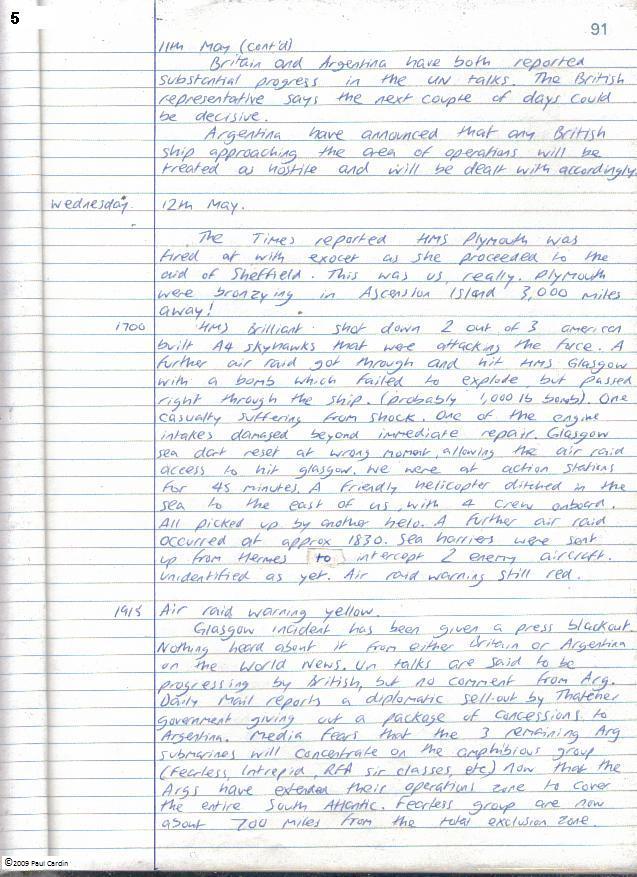
An electronic .pdf version of a 32-page handwritten diary by Leading Radio Operator Paul Cardin, written on location between the months of April and July 1982.