
THURSTASTON SOLAR COMPLEX … I’ve forwarded this highly relevant article to Hoylake and West Kirby’s six councillors AND to all members of Wirral’s Planning Committee:
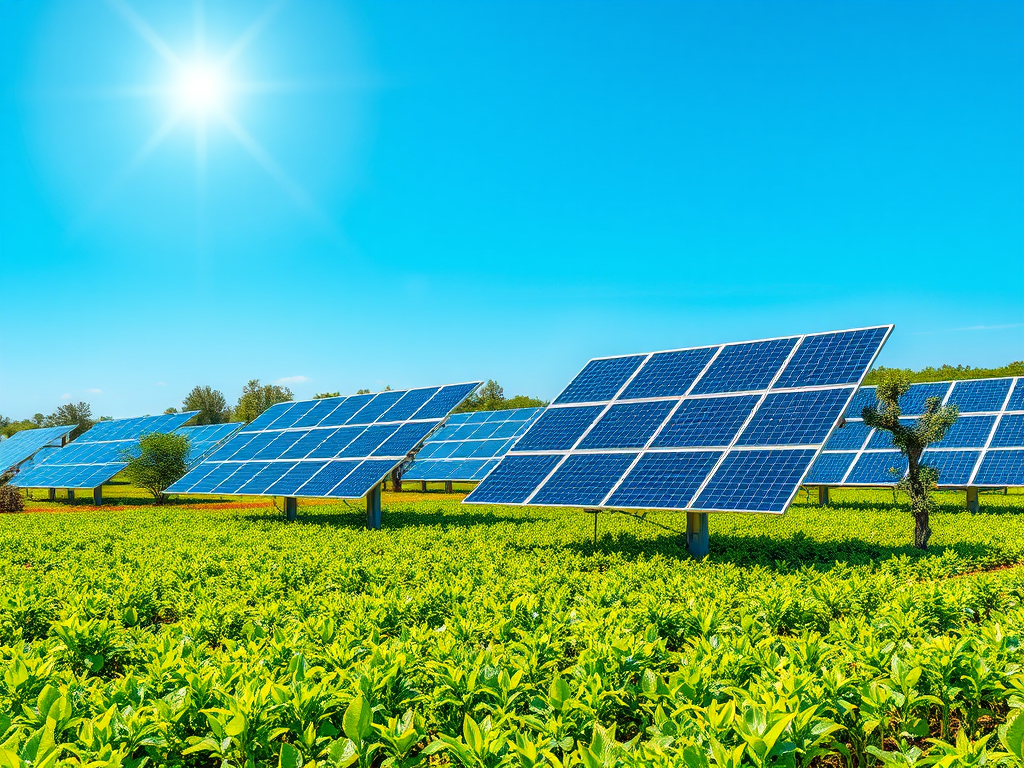
https://www.farmersguardian.com/news/4523986/farmland-risk-rapid-solar-expansion-inconsistencies-environmental-impact-assessments
Inconsistencies in Environmental Impact Assessments for large-scale solar power projects on UK farmland means agricultural land is under threat.
The Institute of Sustainability and Environmental Professionals (ISEP) has issued new advice to protect agricultural land and biodiversity, while balancing the growing demand for renewable energy.
https://www.buzzsprout.com/2405627?artist=&client_source=large_player&iframe=true&limit=5&referrer=https%3A%2F%2Fwww.buzzsprout.com%2F2405627%2Fpodcast%2Fembed
With the UK government recently committing to a target of 47 gigawatts of solar power by 2030 – nearly tripling the existing 15 GW of installed capacity – there will be a significant increase in the number, size and scale of solar developments seeking planning consent.
Solar developments
While at the same time, the range of energy, environment and planning policy, legislation and guidance between UK and devolved authorities has increased complexity for decision-makers leading to inconsistencies in Environmental Impact Assessments (EIAs) for large-scale solar photovoltaic projects.
READ NOW: Two-thirds of mega solar farms built on productive farmland
ISEP has published new guidance to support consistent, evidence-based decision-making for all sides of the UK planning system, including for environmental consultants, developers, and local planning authorities.
The guidance sets out projects by setting out clear expectations for Agricultural Land Classification surveys, soils, biodiversity net gain, pollution risk management, and socio-economic analysis.
ISEP senior policy lead for impact assessment, Dr Rufus Howard, said: “With a significant increase in the number, size and scale of solar developments seeking planning consent expected in the next 5 years, there are risks for agricultural land in the UK without proper assessment.
READ NOW: Campaigners seek High Court ruling to question Ed Miliband’s ‘desecration’ of farmland for solar
“We need a balance between tackling energy security and the climate crisis, our need for food security and preserving biodiversity and natural habitats.
“Providing detailed best-practice guidance, will help developers, environmental consultants, and local planning authorities deliver consistent, transparent, and high-quality assessments that balance renewable energy against food production needs and the sustainability of our rural environment.
“Crucially this guidance emphasises the importance of protecting the ‘best and most versatile’ (BMV) agricultural land and maintaining the reversibility of solar developments.
READ NOW: PM ‘reneges’ on commitment to protect tenant farmers from solar takeovers, TFA warns
“We recommend promoting the use of poorer-quality land wherever possible and call for independent soil audits following decommissioning to ensure farmland can be restored to good condition,” he said.
“Beyond the technical aspects, the guidance also recognises the broader environmental and social dimensions of solar expansion: impacts on rural livelihoods as well as opportunities for biodiversity and carbon sequestration.”
Currently solar farms occupy less than 0.1% of UK land, according to data presented by Solar Energy UK. To meet the government’s net-zero target, the Climate Change Committee estimates that we will need 90 GW of solar by 2050 (70 GW by 2035), which would mean solar farms would at most account for approximately 0.6% of UK land.
Conversely, in July 2025 CPRE pointed out that 59% of England’s largest operational solar farms are located on productive farmland, principally in the arable East of England, where almost a third (31%) of the area they cover is classified as BMV agricultural land.
PLEASE SIGN THE NO TO INDUSTRIAL SOLAR FARMS PETITION HERE:
https://www.change.org/p/say-no-to-industrial-solar-farms-on-wirral-s-green-belt
#Return to Bomb Alley 1982 – The Falklands Deception, by Paul Cardin
Amazon link



 Wirral In It Together