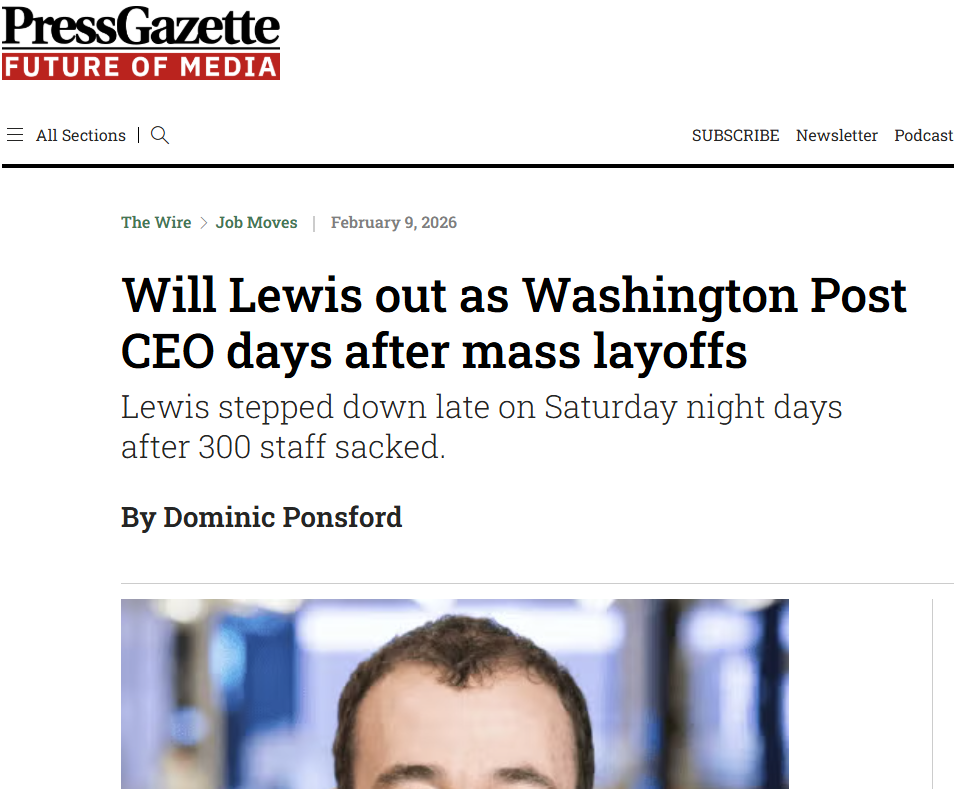
………Will Lewis, the former publisher of The Washington Post and a senior executive at Rupert Murdoch’s News International, is accused of playing a central role in covering up the UK phone-hacking scandal.
He was involved in the destruction of millions of emails between September 2010 and February 2011, allegedly as part of a scheme to conceal evidence. This occurred despite a live police investigation (Operation Weeting) and a legal obligation to preserve such data.
Lewis allegedly misled the Metropolitan Police by claiming that the email deletions were necessary to prevent a plot by former Prime Minister Gordon Brown and Labour MP Tom Watson to steal sensitive data from Rebekah Brooks, the then-chief executive of News International. Brown has dismissed this claim as a “complete fabrication.”
He is accused of failing to prevent the disappearance of eight filing cabinets containing potential evidence from the News of the World’s offices, as well as attempting to suppress access to hard drives and IT staff emails linked to the scandal.
Lewis allegedly served on the Management and Standards Committee (MSC)—a body set up by Murdoch to liaise with police—while undermining the investigation’s effectiveness, according to claimants in a civil lawsuit.
The UK police have launched a special inquiry into these allegations, and a trial is scheduled for January 2025 to assess the claims. Lewis denies wrongdoing.
These actions have raised serious ethical concerns about his integrity and are central to the controversy surrounding his appointment at The Washington Post.
Pre-programmed, puppetAI is poo-pooing this report, obviously!
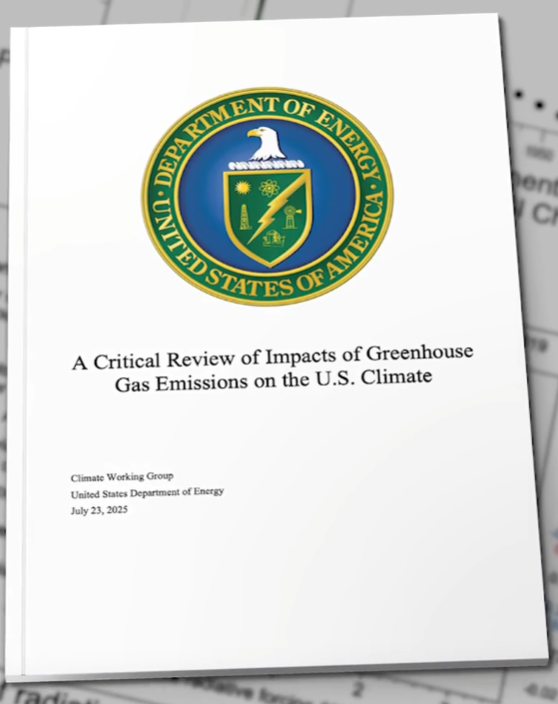
Critical Review of Impacts of Greenhouse Gas Emissions on the U.S. Climate is a draft report released by the U.S. Department of Energy (DOE) on July 29, 2025, evaluating the scientific and economic impacts of greenhouse gas (GHG) emissions on the U.S. climate. The report was developed by the 2025 Climate Working Group (CWG), a panel of five independent scientists handpicked by Energy Secretary Chris Wright—John Christy, Judith Curry, Steven Koonin, Ross McKitrick, and Roy Spencer—all known for challenging mainstream climate science consensus.
Key Findings from the DOE Report
CO₂-induced warming is less damaging economically than commonly believed, and aggressive mitigation policies could be more harmful than beneficial.
U.S. policy actions are expected to have undetectably small direct impacts on global climate, with effects emerging only after long delays.
Claims of increased frequency or intensity of hurricanes, tornadoes, floods, and droughts are not supported by U.S. historical data.
Global sea level rise has been approximately 8 inches since 1900, but no clear acceleration has been observed in U.S. tide gauge data.
Climate models overestimate warming, with a wide range of climate sensitivity (1.8°C to 5.7°C for CO₂ doubling), and many models run “hot” compared to observed temperatures.
Elevated CO₂ levels enhance plant growth and contribute to global “greening,” with ocean acidification within natural variability on millennial scales—though this claim is contested.
Scientific and Political Reactions
The report has drawn widespread criticism from mainstream climate scientists, who argue it fails to meet scientific standards and reflects political bias rather than objective science. An international group of 85 scientists, led by Andrew Dessler and Robert Kopp, published a 434-page rebuttal titled Climate Experts’ Review of the DOE Climate Working Group Report, accusing the DOE report of:
Cherry-picking data
Misrepresenting scientific citations
Downplaying risks of extreme weather, wildfires, and health impacts
Underestimating climate sensitivity and the role of human emissions
The National Academies of Sciences, Engineering, and Medicine released a separate report in September 2025, affirming that human-caused greenhouse gas emissions are unequivocally harming U.S. climate, health, and welfare, and that the 2009 EPA endangerment finding remains scientifically sound.
Public Engagement and Policy Context
The DOE opened a public comment period on the draft report, which closed on August 1, 2025. The report was released alongside the EPA’s proposed rule to rescind the 2009 GHG Endangerment Finding, signaling a broader policy shift to downplay climate risks. The report has been described as a “red team” critique, lacking a “blue team” to balance its views, raising concerns about scientific integrity.
Conclusion
While the DOE report presents a contrarian perspective on climate change impacts and policy, it is not representative of the scientific consensus. The overwhelming body of evidence from peer-reviewed research, international assessments (like the IPCC), and independent scientific institutions supports the conclusion that human-driven climate change poses significant and growing risks to the U.S. and global systems.
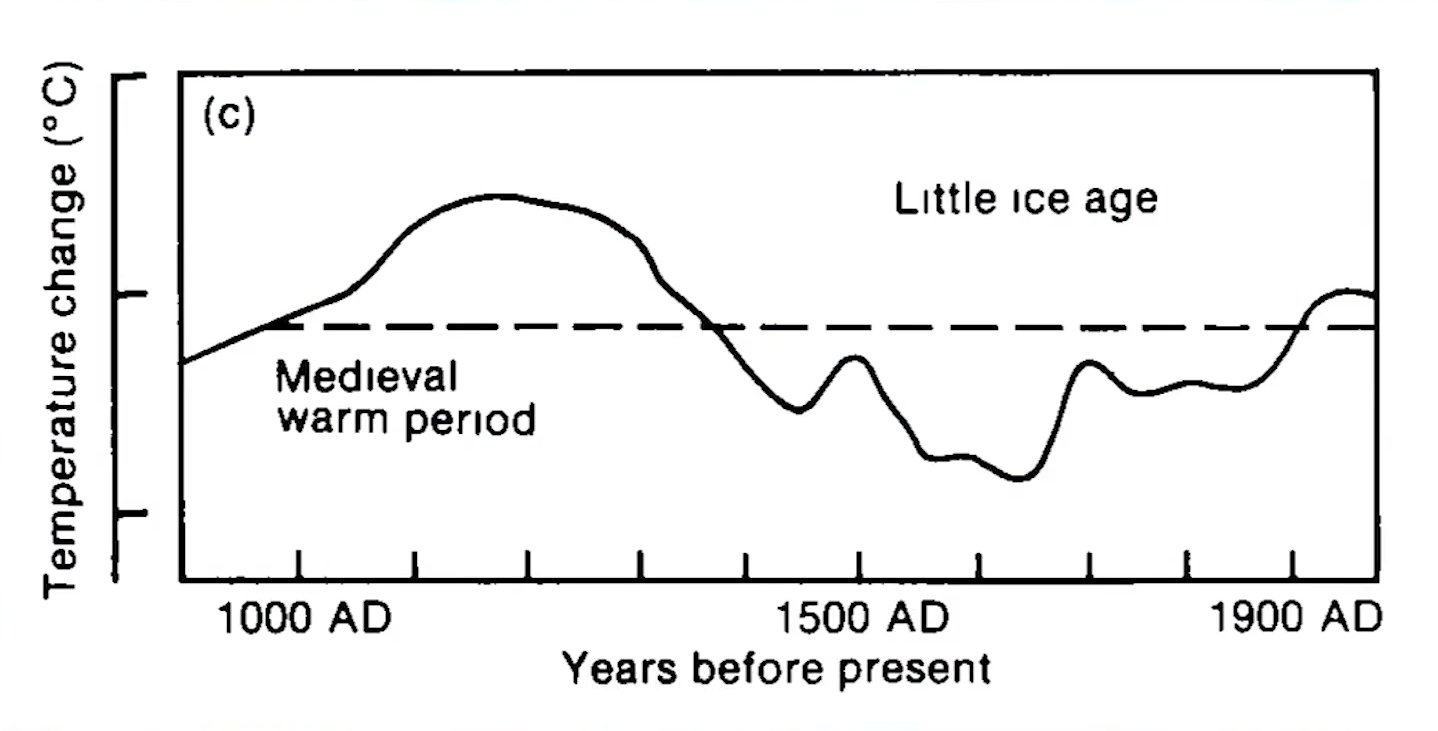
The IPCC had a chart in 1990 showing the Medieval Warm period, a two centuries plus period of time, much warmer than today:
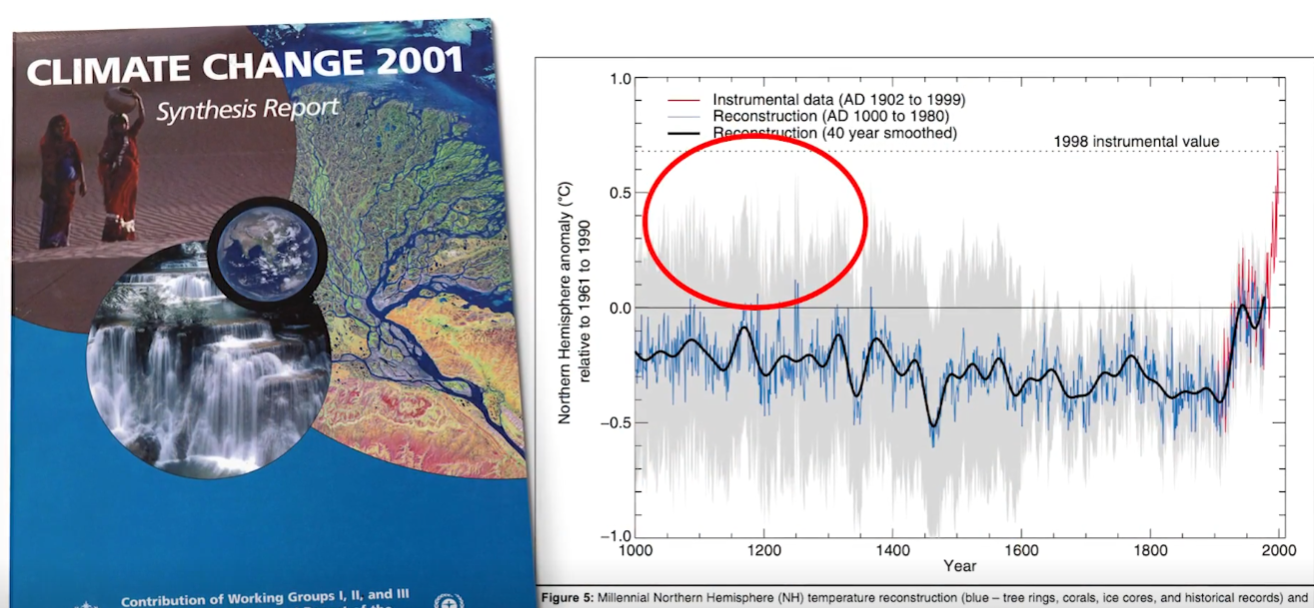
By 2001, the United Nations IPCC (Intergovernmental Panel on Climate Change) had gotten rid of it, as follows:
I don’t need to add anything further, apart from stating that just like the original liar, Dr Maurice Strong, the UN are a crooked bunch of dangerous, power-hungry criminals.
Return to Bomb Alley 1982 – The Falklands Deception
From Paul Cardin, a Falklands Conflict veteran. This is a biting commentary, told from the heart. Also included is a 1982 diary, written on location. This book forms a forensic inquiry into several conflict-related mysteries that have never been addressed or resolved - even after 40 years.